World Wide Knowledge Graph
WWKG
The data logistics layer for semantic and agentic systems.
WWKG gives people, pipelines, and agents a governed way to branch, validate, review, merge, discover, and query knowledge across distributed workspaces.
Unlike ordinary graph databases or RAG stacks, WWKG combines graph querying, reasoning, branch-based change control, peer-to-peer distribution, end-to-end encryption, content addressing, and agent-safe workflows.
Agentic work path
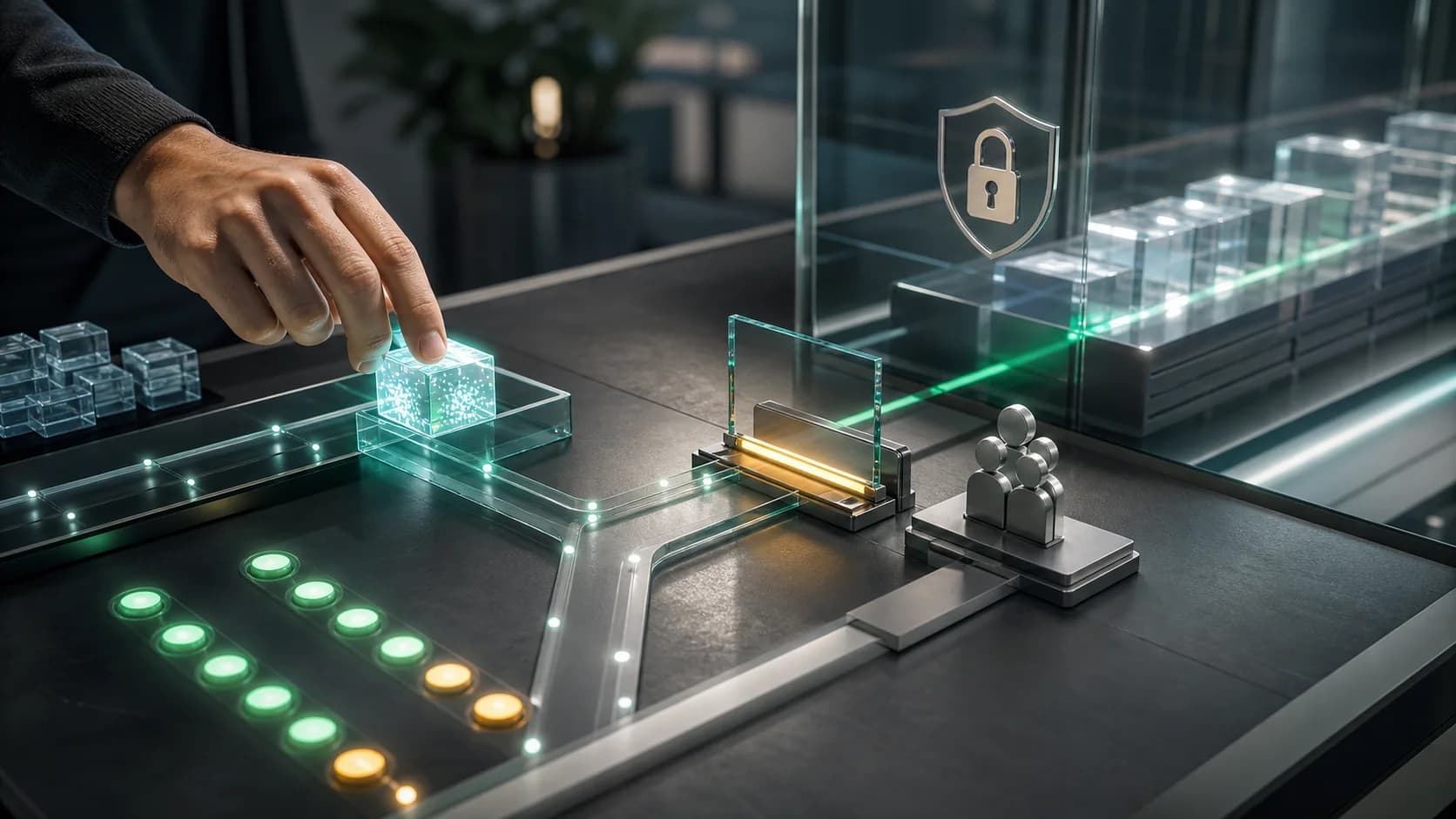
branch -> validate -> review -> merge
Use case context
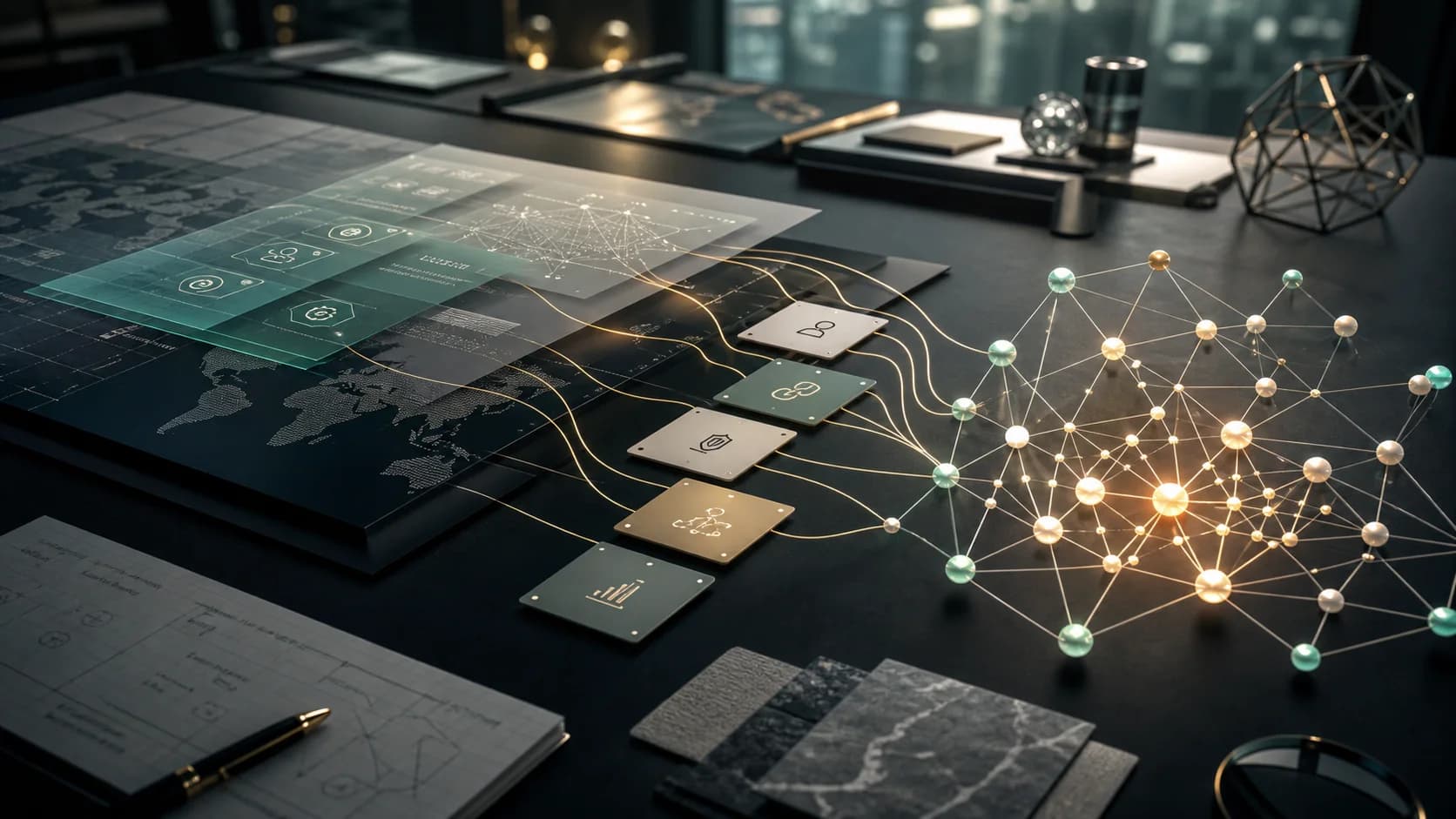
Bind work to a workspace, persona, story, outcome, and domain vocabulary.
Branch or what-if branch
Agents, sub-agents, humans, pipelines, and ETL jobs can work out alternatives away from production.
Validation and review
Run shapes, rules, inference, review agents, ETL handoffs, and human approval while task events are journaled.
Merge and replicate
Promote accepted graph changes into durable branch history across the network.
Agentic systems first
Agents need governed work, not a data free-for-all.
An agent should not connect directly to every organizational data source and invent queries on the spot. It should act inside context-rich sandboxes, perform precise stories, and produce changes that can be checked before they affect production.
Built-in site agents can use the same tools a user can use.
External agents can connect through tools, plugins, skills, MCP services, or SDKs.
Worker nodes can run agentic tasks in the context of a use case.
Task events, domain events, and provenance show which human, pipeline, or agent acted, under whose authority, and what result was produced.
Review agents, ETL steps, and humans can all participate before merge.
Why it is different
Not RDF versus property graphs. Not GraphRAG versus databases. A new operating layer for knowledge.
WWKG brings semantic reasoning, property graph ergonomics, data-product discovery, and git-style change control into the same infrastructure.
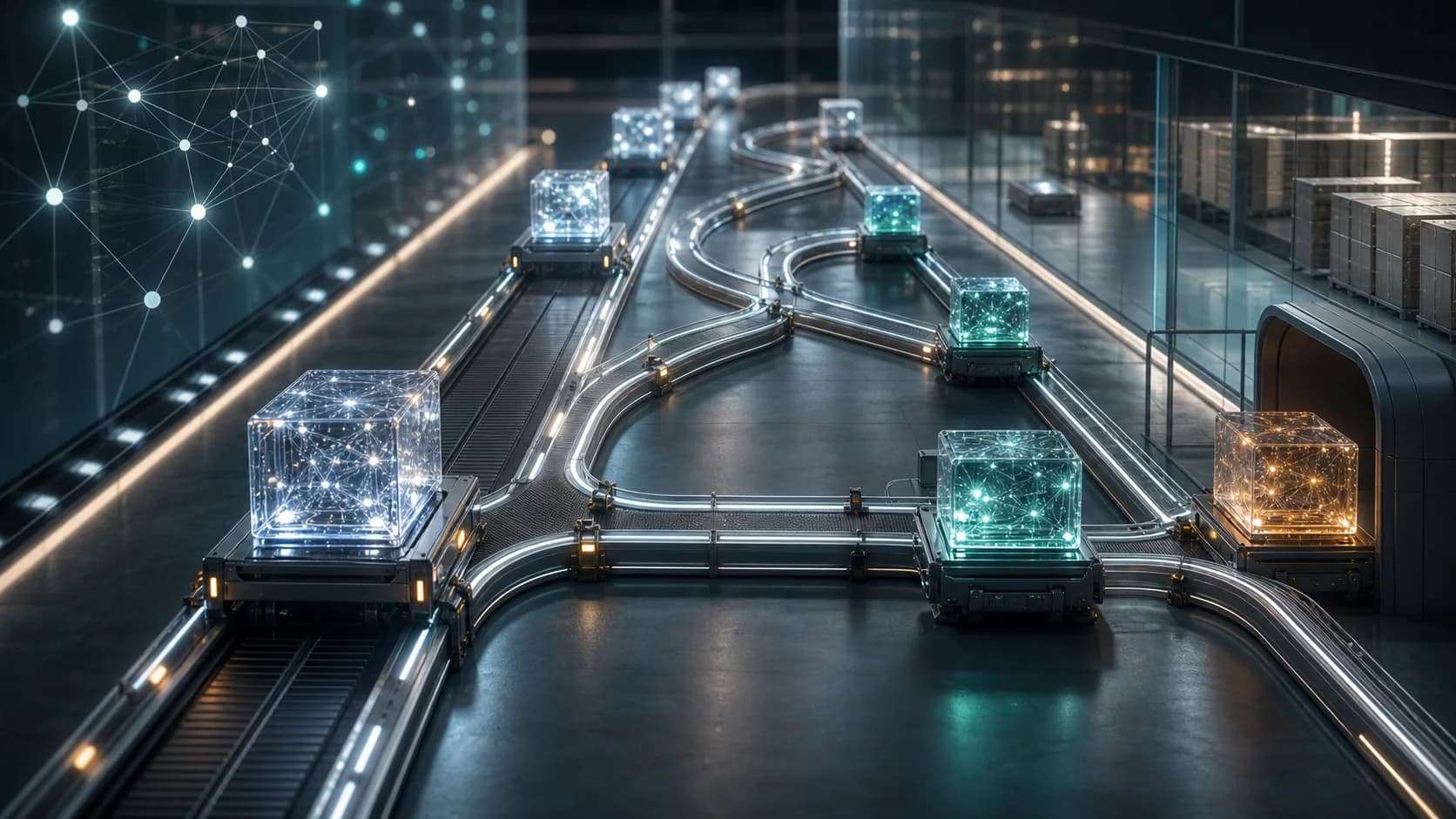
Data logistics, not just storage
Branch, stage, validate, diff, review, merge, replicate, and preserve graph history as normal operations.
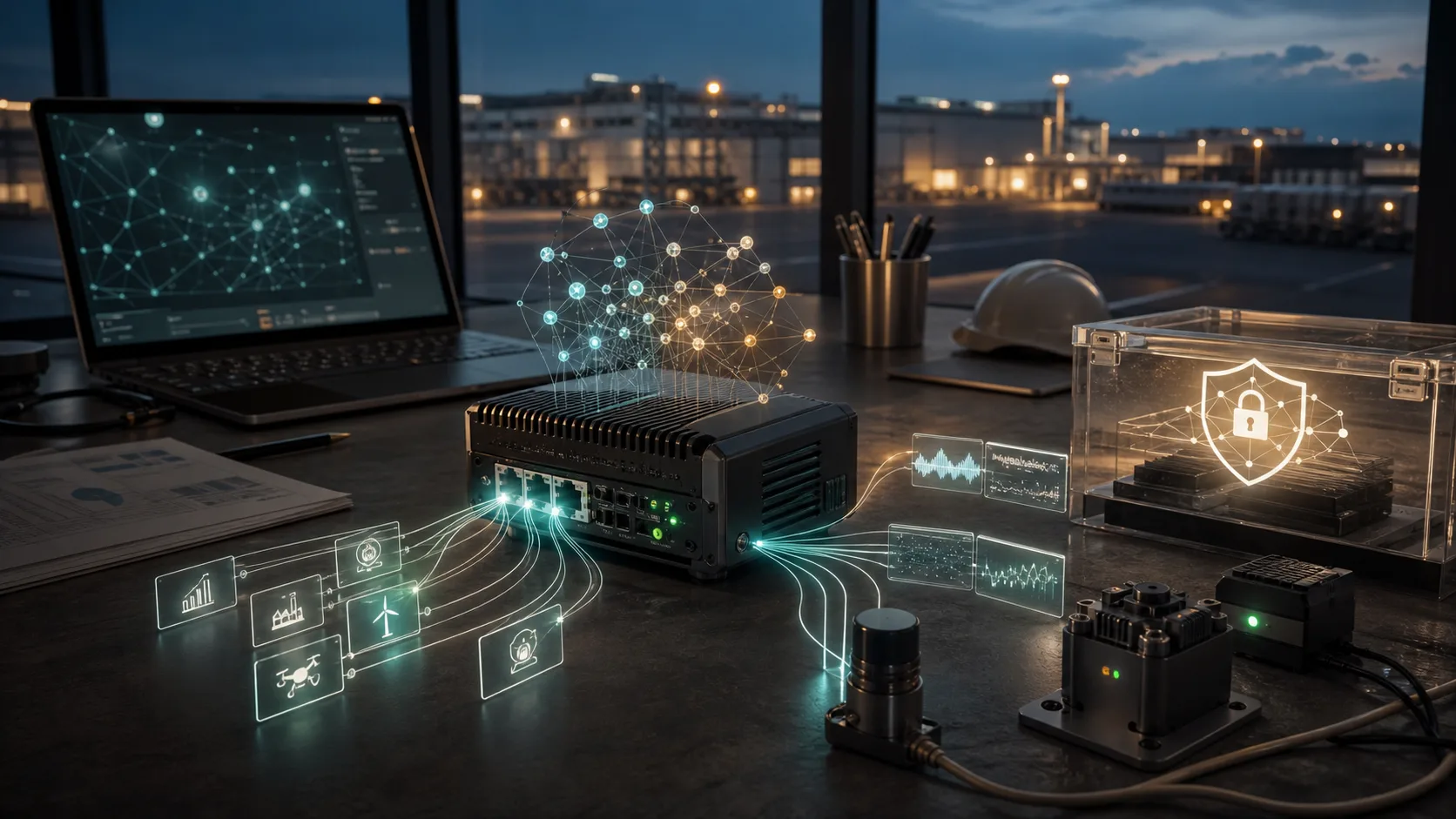
Edge-ready replication
Place encrypted graph data close to the work, keep replicas useful through intermittent links, and let remote devices keep operating until they reconnect.
Historic knowledge graph
Query graph state over time, not only the latest version. Branches, commits, and history make temporal graph questions first-class.
Workspace events and provenance
Domain events, task events, commits, failures, and fact derivations are journaled per workspace as encrypted, replicated provenance.
Agent-safe operating model
Agents work through named stories on branches, including what-if branches they can compare before anything is promoted.
Deductive AI for property graphs
RDFS, OWL-RL, and Datalog reasoning become useful to Cypher and GQL users, not only to SPARQL specialists.
Inference and search together
RDFS, OWL-RL, Datalog rules, vector embeddings, and full-text search belong in the same graph infrastructure.
Discoverable data products
Workspaces become independently owned knowledge graphs that can be found, searched, and queried together.
Trust without a chain
Content addressing, signatures, branch history, and encryption provide integrity without blockchain overhead.
Four pillars
One infrastructure layer, four jobs.
The graph world has split into too many incompatible layers. WWKG pulls change control, distribution, query languages, and inference into one operating model.
Governed change
Every meaningful update can happen on a branch, with what-if alternatives, validation feedback, task events, domain events, provenance, temporal queries, review, and merge before shared state changes.
Distributed knowledge products
Create workspaces, publish quality graph data products, and discover useful knowledge where work happens.
One graph engine
SPARQL, Cypher, and GQL share one infrastructure layer instead of forcing teams into separate graph worlds.
Reasoning for everyone
RDFS, OWL-RL, Datalog, vector search, and full-text search all work across RDF and LPG workflows.
Choose your planet
Different audiences need different language.
AI
For AI and agentic systems
Give agents governed context, permitted work, staging branches, validation, provenance, review, and merge instead of raw access to every data source.
Business
For business leaders
Turn business intent, SME knowledge, requirements, personas, stories, outcomes, and governance into living operational context.
Data
For data and knowledge teams
Manage knowledge as data products with branch-based change control, temporal queries, validation, provenance, discovery, and shared query.
Technology
For technology teams
Use one distributed, encrypted, content-addressed graph engine for SPARQL, Cypher, GQL, temporal queries, task provenance, edge replication, RDFS, OWL-RL, Datalog, vector embeddings, and full-text search.
Article series
The strategy, one idea at a time.
The article series explains the architecture behind data logistics, business intent, and governed agentic work.
Compare the field.
See how WWKG differs from triplestores, property graph databases, versioned graph platforms, P2P data systems, and decentralized knowledge graph projects.
View comparison